
My Experience of Completing the IBMS Cytopathology Higher Specialist Diploma
Elizabeth Prince, Cytology Senior Biomedical Scientist, Ashford and St Peters NHS Foundation Trust
I first embarked on the IBMS Cytopathology Higher Specialist Diploma (HSD) educational adventure in December 2022. I love to learn and it was with an equal mix of excitement and apprehension that I embarked on this qualification. The apprehension arising around how to possibly fit in the study required around bringing up 2 small children and working 30 hrs a week.
My journey in Cytology started way back in 2006 when I gained the position of a medical laboratory assistant in the Cytopathology department at Royal Surrey County Hospital, Guildford. I have remained in the same department (although through merger I’m now based at St Peters Hospital, Chertsey) and I have been very blessed to be supported through an applied biomedical sciences degree, NHSCSP qualification, specialist portfolio and IBMS Certificate of Expert Practice in Training. I am fortunate to be working in a department that puts a strong emphasis on training and on “growing your own”. This knowledge of the support around me gave me the confidence to take on the Master Level, HSD, qualification.
The Cytopathology HSD requires submission of a portfolio of evidence followed by an intense 2 days of written examinations. The portfolio requires: -
Personal professional profile
Clinical Case Study
Management Case Study
2 essays from a selection of set titles
Presentation
Reflective Practice
I delved right into completing the first of my essays “Critically discuss the range and role of new technologies on the delivery of cytology services in the 21st century”. I decided to take the approach of first briefly reviewing the development of cervical screening and the NHSCSP before critically discussing the changes that have occurred in the service in the last 20 years and then finally reviewing the advances in diagnostic cytology. The scope of this essay was wide, which at times felt like a blessing but at other times a curse, while widely reading a range of resources and making decisions on the depth and breadth of the answer required. Another barrier in writing this essay was that both work and family life limited my ability to study and this essay was left untouched for many months. However, what I learnt from this was the need for a good essay plan and for organised record keeping with reference sources clearly referenced even in the draft stages of writing. I learnt this the hard way! Overall completing this essay has given me a much more in-depth understanding of both the rationale and implementation of the technologies that we currently work with in Cytology. The second essay I completed had a much more focused scope in which I discussed the range and role of biomedical scientists in diagnostic cytology.
It became clear that due to family and work commitments the completion of the Cytopathology HSD was going to need to be delayed. This was disappointing but was ultimately the best decision. The IBMS made it easy to delay this qualification, all it took was one email. I was then able to resume study once I felt able.
My next challenge was preparing and presenting the required presentation. The topic of choice nicely presented itself to me as we had a problem with staining in which a non-conformity was raised. This inspired me to refresh my knowledge and whilst doing this I stumbled upon an article on the inception and development of the PAP staining method. I felt that a presentation on the history, chemistry and how to trouble-shoot problems if they arise with PAP staining would not only cover my needs for the HSD but also be beneficial for the department as a whole. I enjoyed developing this presentation, although presenting it was not quite so enjoyable.
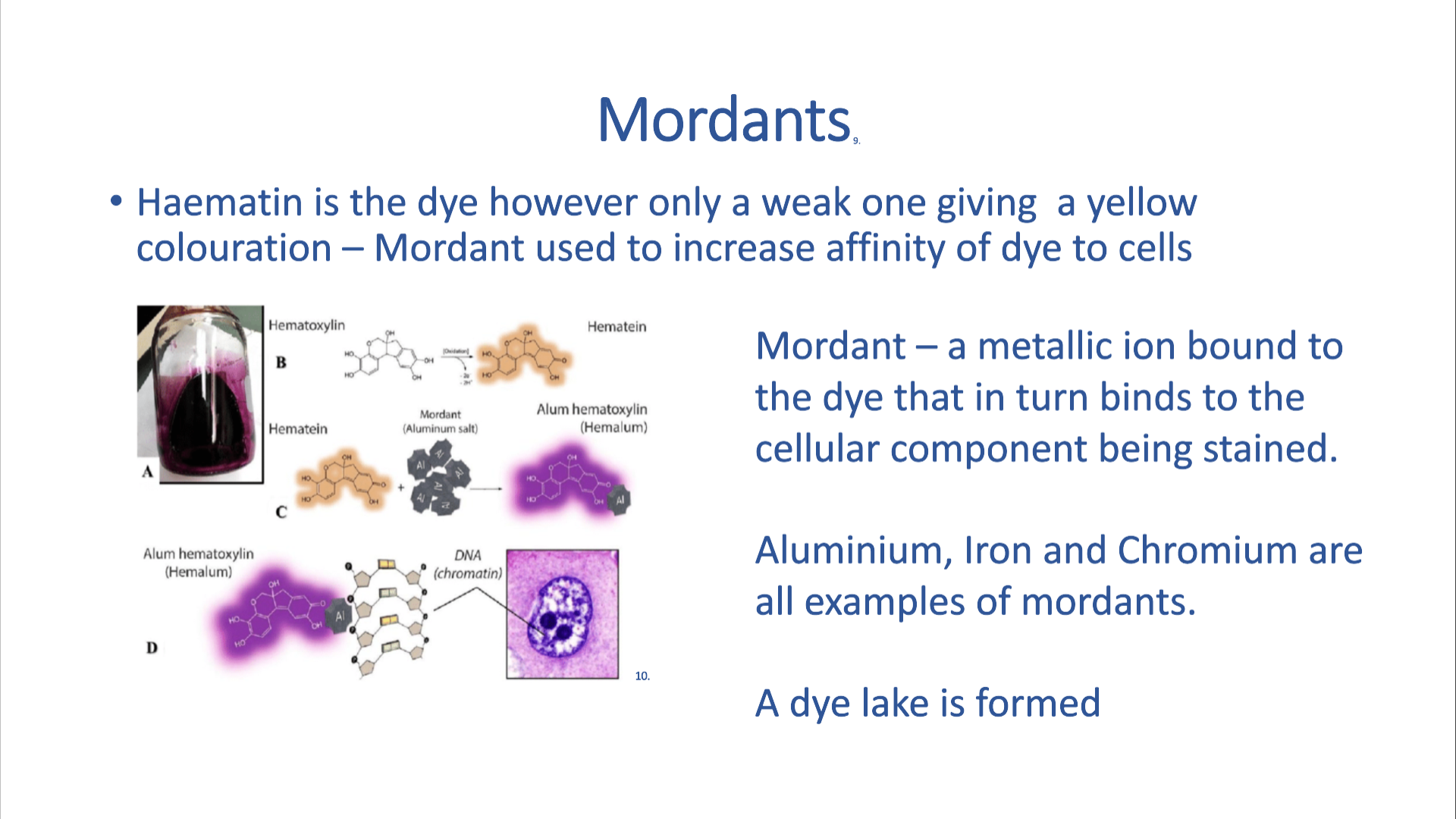
Image 1: Example slide from my HSD presentation - Papanicolaou Staining of Cervical Cytology Samples with image in slide sourced from Ortiz-Hidalgo C, Pina-Oviedo S. Hematoxylin: Mesoamerica’s Gift to Histopathology. Palo de Campeche (Logwood Tree), Pirates’ Most Desired Treasure, and Irreplaceable Tissue Stain. International Journal of Surgical Pathology; 2018
For the management case-study I focused on a UKAS finding that I assisted in resolving which was related to verification and contingency planning. Completing this report helped me reflect on the knowledge I had gained through being involved in carrying out the required verifications and how all the quality work we carry out is ultimately related to ensuring patients receive accurate and timely results. I chose a cervical cytology case for my clinical case study.
The personal profile and the reflective practice were the last portfolio assignments I completed and although they are not academically focused like the other content, they form an important element and the time taken to complete these should not be underestimated.
It was good to be able to submit the portfolio of evidence in advance of the deadline but now the hard work really started in the form of preparing for the examinations which take place in September each year. I was provided with wise advice from a colleague which was to not wait for the outcome of the portfolio before starting to prepare for the exams. With the Fundamentals of Biomedical Sciences, Cytopathology text book as my guide I set to and started really learning.
To complete the HSD I used a number of learning strategies to aid me. The table presented below provides a reflection on these.
| Strategy | Portfolio | Exam Preparation |
| Study Plan | On reflection it would have been helpful to have developed a study plan with target completion dates for each element to help keep me on track | Using the HSD study guide, specifically the syllabus guides, I was able to develop a plan of the areas that I needed to study. This ensured nothing was left until last minute |
| Organisation | After a pause in completing my first essay, I realised that good organisation of resources is essential. I used a word document to copy in links to journal articles or web pages for each assignment. | I learn through interacting with the resources. Keeping my revision notes organised into topic areas was essential. |
| Use of resources provided by IBMS | Fully reading the study guide and other suggested resources prior to starting study ensured I was fully aware of requirements. I referred to this frequently throughout portfolio completion to ensure correctly meeting requirements. | Completing model answers to past exam paper questions formed an important part of my revision. |
Attend HSD Generic Preparation session -31/03/2023 | The session provided valuable tips into what was required for the portfolio. | By attending the session, I was able to gain insight into types of exam questions on the generic exam paper and how to answer these. |
Writing at the right level – the Higher Specialist Diploma and other post-registration qualifications – Zoom meeting 27/03/2024 | Session was based on the “Here to Help” article published in Biomedical Scientist in Jan 2024. Attending provided me with key guidance on how to write at the level required for higher level qualifications. | I found that the knowledge gained from this session was easily transferable to writing exam answers. |
| Seek Support | Prior to submission I asked experienced Biomedical Scientists to review my assignments. | I sought support with my learning for the pre seen exam questions. |
There are four written exams over two days. A generic paper sat by all HSD students with one pre-seen question and three discipline specific exams. The discipline specific exams consist of a short answer question paper, an essay paper and a case study paper with one pre-seen question. My biggest concern was the case study paper, as diagnostic cytology is not my strongest area as I do not actively work in this section of the department. Knowing that I would be able to re-sit any exams that I might fail was reassuring, however my study in this area really paid off and my mark for this paper was my highest.
The wait for my result felt like an eternity but when it finally came through I discovered that not only had I passed but all my results were a good pass and I had been awarded the IBMS company members prize of £250 and a certificate. This is awarded to the candidate who secures the highest mark in their discipline at first attempt. To collect the award, I was invited to attend the IBMS AGM which took place in York in June 2025.
At the start of the HSD I was concerned that I would not be able to step up to MSc level of study. One of the main differences to other IBMS qualifications I have completed is the move to independent self-directed study. Another difference is the need to critically appraise resources and your own practice. On reflection the step up was not as big as feared and that I had already used many of the skills required in practice.
York is a beautiful city, and I very much enjoyed attending the IBMS AGM with my friend, a cytology colleague who I have worked with since I started. Prior to the AGM there was a lecture presented by Mr Chris Sleight (Chief Officer of the Greater Manchester Diagnostics Network) on why you need to know about generations to plan for a sustainable pathology workforce. The lecture was certainly very thought provoking and gave good insight into how there are differing expectations in the career needs of the 5 different generations that currently comprise the workforce and that it is important to consider these when developing workforce plans. Attending the AGM also provided further understanding of the workings and role of the IBMS and was a fantastic networking opportunity.
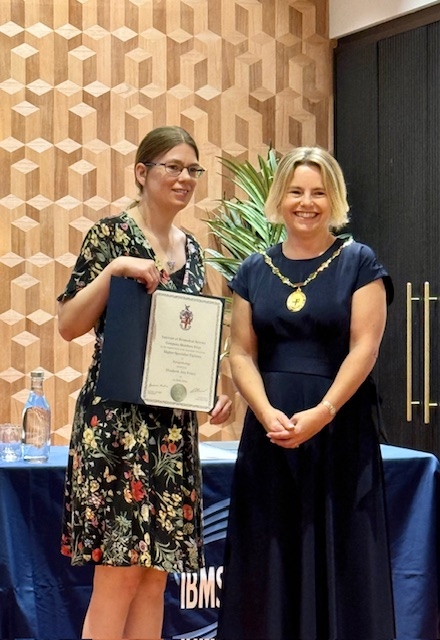
Image 2: Collecting my certificate at the IBMS AGM.
Overall studying for the Cytopathology HSD was an enjoyable experience, I would thoroughly recommend this as a great qualification to complete, gaining Cytopathology specific experience and enabling career development. Since completing the HSD I have gained a role as Senior BMS and departmental quality officer; completing the HSD has not only provided me with the knowledge required for this role but also confidence in my ability.
Tips for future candidates: -
Don’t be nervous to seek the support of experienced biomedical scientists.
Make sure you fully engage with the generic syllabus; it has been specifically designed to provide skills that a senior BMS needs.
Utilise your time wisely and don’t leave completing of assignments until nearly the deadline for submission.